The seeds extracted from watermelon are cultivated in large quantities…
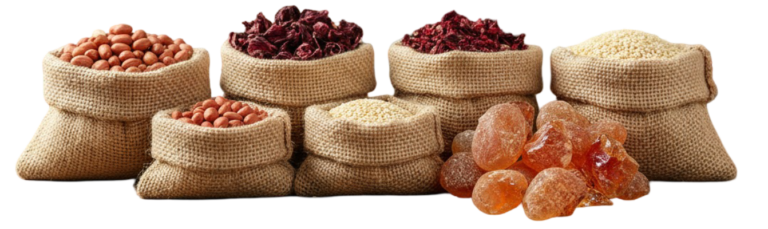
Explore premium agricultural exports from Sudan: Gum Arabic, sesame seeds, peanuts, hibiscus, melon seeds, and senna pods supplied by Gezira Hila Impex.
It is also called Nubian Senna or Alexandrian Senna
Hibiscus farming is concentrated in Kordofan, and on a lesser…
Also known as acacia gum, kordofan, meska, or char goond,…
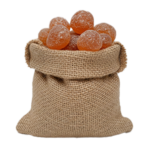
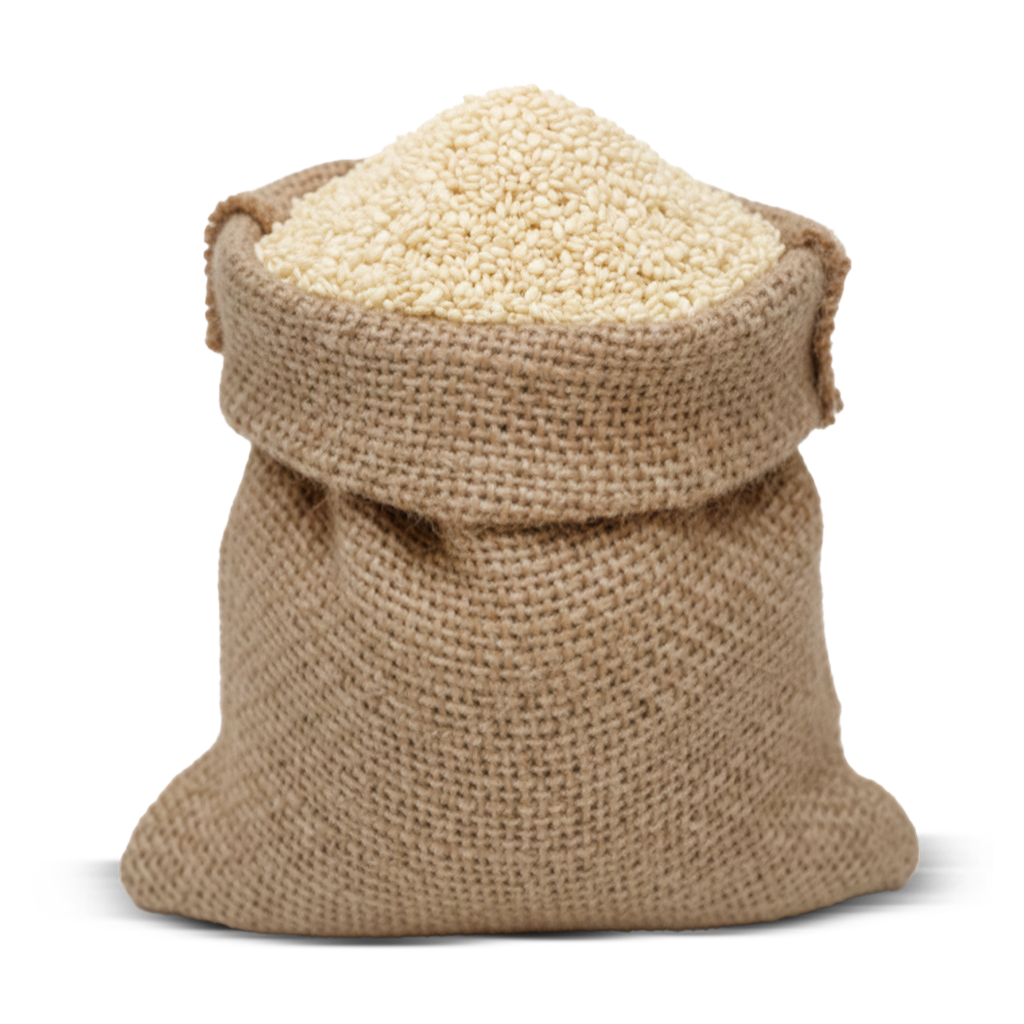
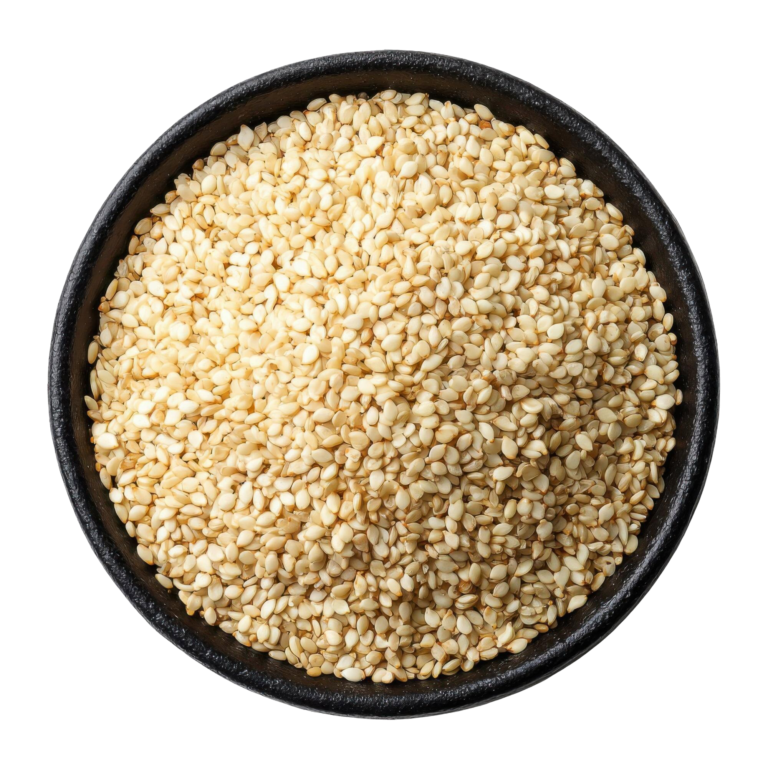
WHAT IS SESAME SEEDS ?
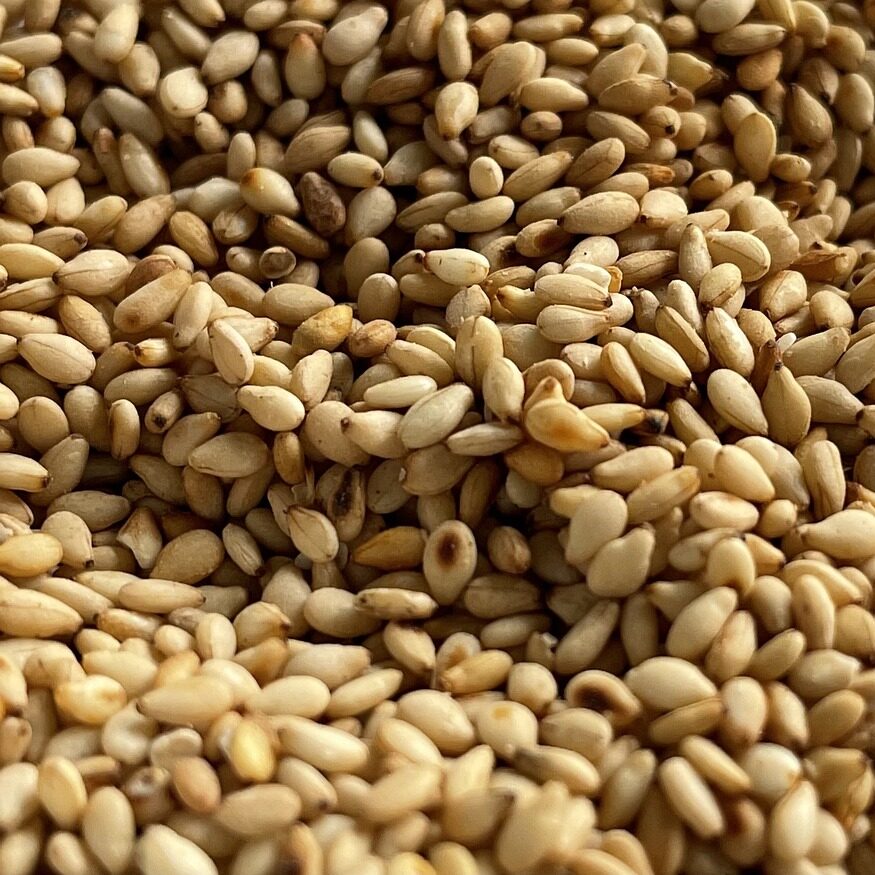
Sesame is a owering plant in the genus Sesamum, also called benne. Numerous wild relatives occur in Africa and a smaller number in India. It is widely naturalized in tropical regions around the world and is cultivated for its edible seeds, which grow in pods or “buns” Sesame seed is one of the oldest oilseed crops known, domesticated well over 3000 years ago. Sesame has one of the highest oil contents of any seed.
With a rich, nutty avor, it is a common ingredient in cuisines across the world.
GENERAL USES
Producing sesame oil: used as a cooking oil in dierent parts of the world, has a
distinctive pleasant aroma and taste.
As of 2024 and 2025, Sudan remains one of the world's largest producers of sesame seeds, often ranking frst or second globally. Contributes about 20–23% of the world's total sesame production.
Sesame seeds may be baked into crackers, often in the form of sticks. In Sicily and France, the seeds are eaten on bread (fcelle sésame, sesame thread). In Greece, the seeds are also used in cakes.
Sesame seeds are sometimes added to bread, including bagels and the tops of hamburger buns.
Sesame seeds are made into a paste called tahini and the Middle Eastern confection halvah.
SESAME SEED GRADES
- White sesame (Gadarif Region Production)Mixed Sesame.
- These are whitish sesame seeds which contain a maximum 25% of colored seeds Brown (red) sesame.
- These are the seeds of which the external shells color varies from golden to brownish